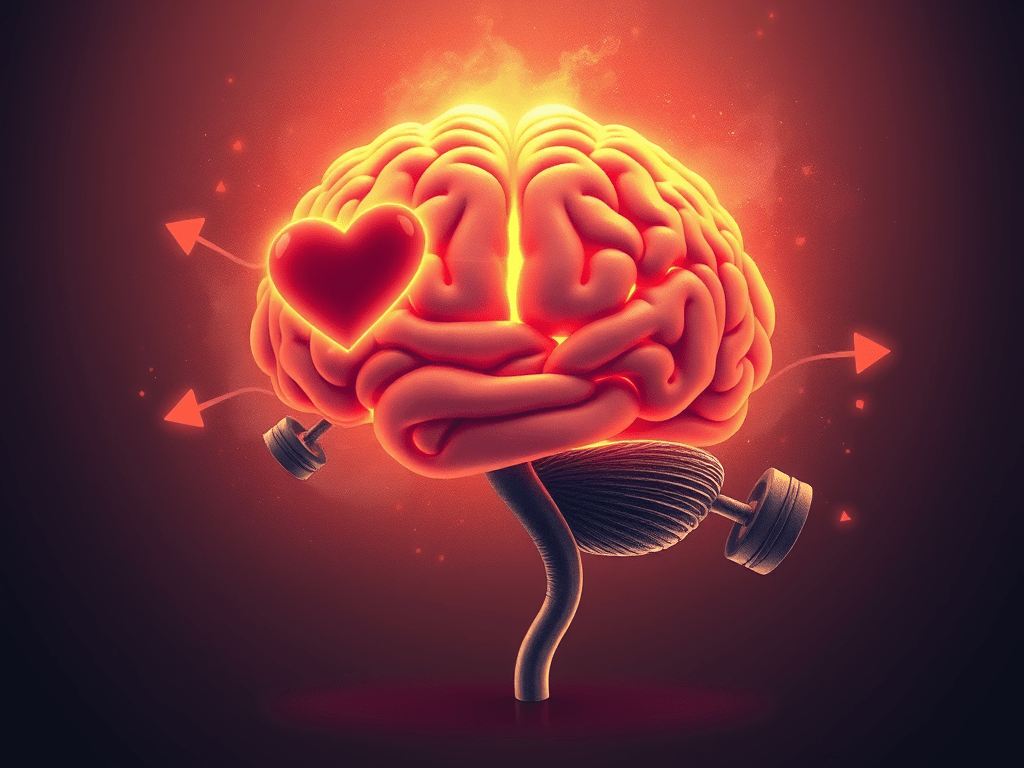
Here’s the thing about our brains: they’re absolute dopamine junkies. And I don’t mean the occasional “Oh, I deserve this chocolate” kind of thing. I mean, full-blown addicts. The kind that keep you endlessly scrolling TikTok at 2 a.m., stuffing your face with an entire pizza when you only wanted a slice, or binge-watching an entire Netflix series because one more episode won’t hurt. (Spoiler: It does. Your alarm clock will remind you.)
Dopamine - the chemical that makes you feel good - is the culprit here. Every time you do something even remotely pleasurable, your brain rewards you with a little hit of this magic chemical. And what does your brain do next? It says, Hey, that was fun! Let’s do it again! And again. And again. Until your idea of a productive Saturday involves crushing 15 levels of Candy Crush.
But what if I told you that you could hack your brain to become addicted to pain? Why would you ever want to do that??! - you say? Stay with me here.
From Pleasure to Pain (and Back Again)
Here’s how dopamine addiction usually works:
- You do something pleasurable (scroll Instagram, eat cake, buy yet another plant you don’t need).
- Your brain rewards you with a dopamine hit.
- Over time, that pleasurable thing becomes less satisfying, so you do more of it to feel the same “high.”
- Welcome to the vicious cycle of diminishing returns and mild existential dread.
But it turns out, this cycle can work in reverse – if you flip the script. Instead of seeking immediate pleasure, you do something hard, uncomfortable, or downright painful first. Exercise, for example. Or chores. Or sitting down to actually reply to that email you’ve been avoiding since last Tuesday.
Here’s where the magic happens: After the pain, your brain rewards you with a dopamine hit. Yes, really. That post-workout high? That satisfaction of checking off a task on your to-do list? That’s dopamine saying, Good job, champ. Let’s do this again.
Over time, your brain starts to prefer the hard stuff, because it knows there’s a reward waiting on the other side. You’ve officially rewired your dopamine addiction into something good for you.
Examples of Hard Things That Turn Into Addictions
Let’s take a moment to appreciate the irony here. The things we once avoided like the plague suddenly become the things we can’t live without.
- Exercise: At first, it feels like punishment for enjoying carbs. But after a while, you start craving that post-gym glow and find yourself Googling “best running shoes” at midnight.
- Cold Showers/Ice Baths: Who in their right mind thought this was a good idea? But after a few plunges, you feel invincible and start humblebragging about your “resilience” to anyone who will listen. Yeah… we all know one of those people.
- Waking Up Early: It starts as a cruel joke. But suddenly, you’re that person who drinks lemon water at 6 a.m. and talks about “owning the day.”
- Decluttering: The first 10 minutes are pure agony. Then you start tossing things out left and right, and before you know it, you’re Marie Kondo-ing your entire life.
- Healthy Eating: Kale tastes like regret the first time, but eventually, you start craving green smoothies instead of fries. (Okay, sometimes.)
Why This Works
The science behind this is fascinating. Dopamine isn’t just a pleasure chemical; it’s a motivation chemical. According to Dr. Anna Lembke, author of Dopamine Nation, the key to rewiring your brain is understanding how the pleasure-pain balance works.
When you indulge in pleasure first, your brain compensates by tipping the scale toward pain. That’s why a quick dopamine hit (like scrolling social media) often leaves you feeling worse afterward. But when you start with pain—like a workout, a cold shower, or tackling a hard task—your brain rewards you with dopamine, tipping the scale toward pleasure.
This idea aligns with research in neuroscience, which shows that discomfort stimulates the release of dopamine to encourage resilience and perseverance. As Dr. Lembke explains, our modern world of endless, instant gratification has skewed this balance, leaving many of us stuck in cycles of overindulgence and dissatisfaction.
How to Get Addicted to the Good Stuff
Ready to train your brain to love the hard things? Here’s your action plan:
- Start Small: Don’t dive into a polar plunge on day one. Begin with cold water at the end of your shower. Or try a 10-minute walk instead of a marathon. Baby steps, my friend.
- Celebrate Wins: After completing something hard, take a moment to bask in the glow of your accomplishment. Your brain loves this part.
- Consistency Is Key: The more you do it, the more your brain associates the hard thing with the dopamine reward. Eventually, it becomes automatic.
- Track Progress: Whether it’s workouts, chores, or healthy habits, seeing progress over time reinforces the addiction. And that satisfying tick! is a reward on its own!
- Embrace the Pain: Remind yourself that the discomfort is temporary, but the reward is worth it.
Final Thoughts: Pain Is the New Pleasure
Here’s the wild part: Once you rewire your brain, the hard things start to feel good. You’ll find yourself choosing the workout over the nap, the healthy meal over the junk food, and the cold shower over the warm one. (Okay, maybe not every time, but you get the idea.)
It’s not about becoming some sort of masochist who thrives on suffering. It’s about programming your brain to find joy and satisfaction in the things that actually serve you.
So, the next time you’re tempted to reach for the easy hit of dopamine, ask yourself: What hard thing could I do instead? And then, do it. Your future self will thank you – and maybe even become slightly addicted to doing the hard stuff.
Who knew rewiring your brain could be so satisfying? Or, dare I say, pleasurable?
Recommended Reading and Resources
- Dopamine Nation by Dr. Anna Lembke
This book dives deep into the science of dopamine, addiction, and the pleasure-pain balance. It’s a must-read for anyone looking to break free from unhealthy habits and build better ones. - Atomic Habits by James Clear
Clear offers practical strategies for building habits that stick, including how to make hard things easier to start and more rewarding to continue. He also has a great weekly newsletter 1-2-3. - The Comfort Crisis by Michael Easter
This book explores how embracing discomfort can lead to greater happiness, health, and fulfillment. - Huberman Lab Podcast
Neuroscientist Dr. Andrew Huberman breaks down the science of dopamine, habits, and motivation in a highly accessible way.
 Ika’s Inklings